
Jilin outlines roadmap for agricultural modernization
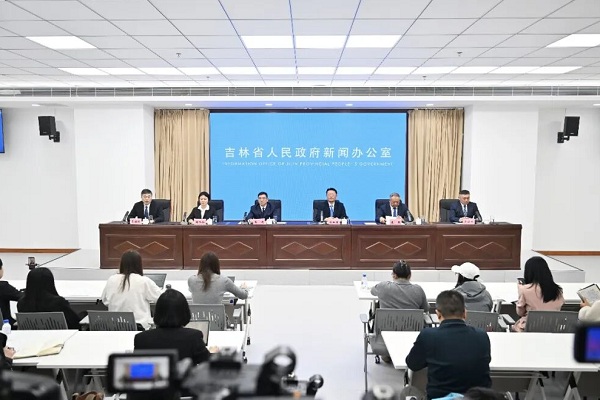
The provincial policy briefing session is held in Changchun, Jilin, on March 31. [Photo/Jilin Release]
At a policy briefing held on March 31 by the Jilin Provincial Government Information Office, officials outlined an implementation plan to advance agricultural modernization and comprehensively promote rural vitalization.
Spring farming preparations are already underway across Jilin's vast black soil region. The newly released policy reaffirms the priority placed on agriculture, rural areas, and farmers, and presents a structured framework featuring six key tasks and two major support measures.
The tasks include safeguarding national food security, improving long-term assistance mechanisms, boosting development in border villages, strengthening county-level industries, advancing livable rural communities, and enhancing rural governance.

Media representatives attend the policy briefing session. [Photo/Jilin Release]
Over the past year, Jilin has reported steady progress in high-quality agricultural and rural development. Grain output reached a record 43.58 billion kilograms, consolidating the province's status as one of China's leading grain producers. Rural incomes continued to grow, with increases outpacing both national rural averages and urban income growth. Meanwhile, characteristic industries such as ginseng, beef cattle, sika deer, and ecological fisheries expanded rapidly, contributing to a more diversified rural economy.
Looking ahead, the province will focus on improving agricultural productivity through coordinated efforts in farmland quality, seed innovation, agricultural machinery, farming techniques, and digital applications. High-standard farmland construction, black soil conservation, and smart agriculture platforms are expected to play a central role in boosting yields and ensuring sustainability.
In parallel, Jilin is accelerating the development of county-level industries to drive rural prosperity. Measures include expanding facility agriculture, strengthening financial support, and promoting full-chain agricultural services covering production, processing, and marketing.
Infrastructure development is another key priority. Water conservancy authorities have outlined plans to enhance irrigation, flood control and rural water supply systems, including the construction of a province-wide water network to better support agricultural production and bolster disaster resilience. By the end of the current planning period, further improvements in rural drinking water access and service quality are expected.