
Jilin CPPCC session opens with focus on governance and rejuvenation
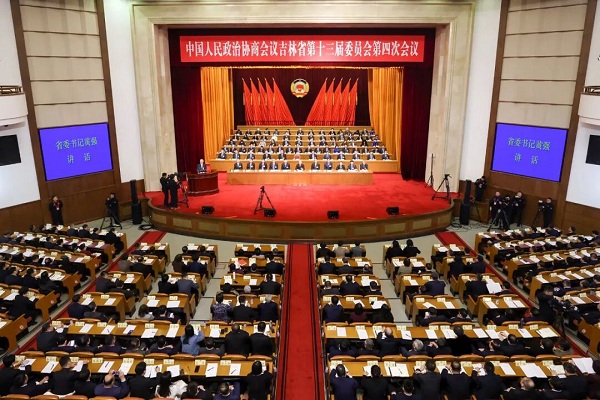
The fourth session of the 13th Jilin Provincial Committee of the Chinese People's Political Consultative Conference opens in Changchun. [Photo/Cailian News]
The fourth session of the 13th Jilin Provincial Committee of the Chinese People's Political Consultative Conference (CPPCC) opened on Jan 26 in Changchun.
The meeting underscored the need for committees at all levels to further strengthen their own development and continuously enhance institutionalization, standardization, and procedural rigor.
The committee reaffirmed its long-standing commitment to calling on government departments to solicit opinions, accept criticism, respond to supervision, and properly handle proposals, creating favorable conditions for CPPCC members to fulfill their duties.
Zhu Guoxian, chairman of the Jilin Provincial Committee of the CPPCC, delivered a work report on behalf of the Standing Committee. The report noted that 2026 marks the opening year of the 15th Five-Year Plan period (2026-30), and stressed that the committee will fully implement a series of key directives on the comprehensive vitalization of Northeast China and Jilin's development.
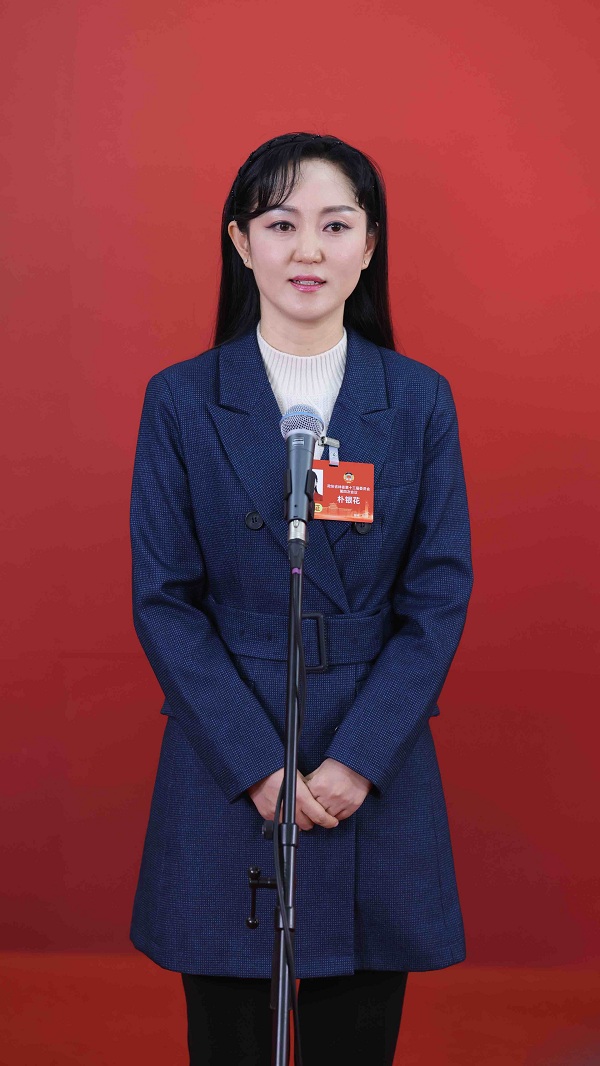
Piao Yinhua, a member of the Jilin Provincial Committee of the CPPCC. [Photo/Cailian News]
This year also marks the 105th anniversary of the founding of the Communist Party of China. Piao Yinhua, a provincial political adviser, highlighted the importance of innovative development, protection, and comprehensive promotion of red cultural resources.
She noted that building a distinctive "Red Jilin" brand is of great practical significance for strengthening cultural confidence and boosting Jilin's high-quality development.
Her proposals included encouraging high-quality red-themed songs and stage productions, creating iconic red cultural landmarks through large-scale sculptures, integrating red tourism routes into the province's overall tourism planning, and establishing unified, clear signage at red heritage sites to better interpret revolutionary history.