

Golden Autumn


Golden Harvest


Golden Specialties


Golden Flavors


The Story of Gold
01
/
04
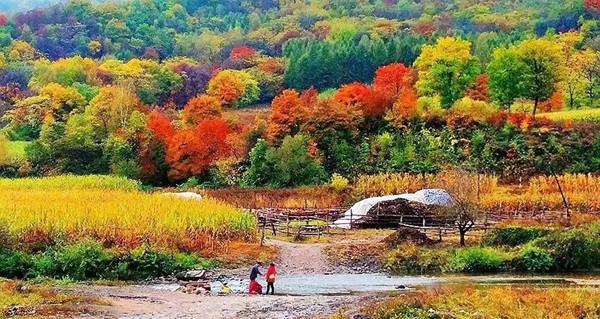
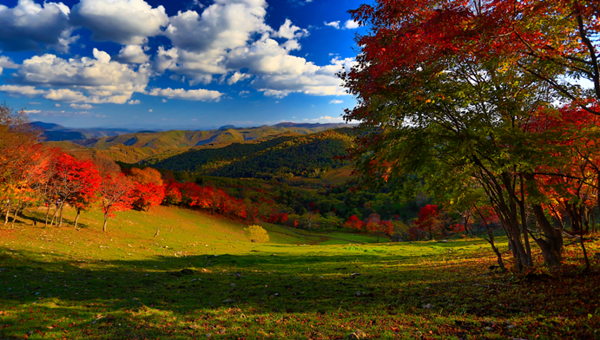

Changbai Mountain's autumn colors reflect its rich ecological diversity, with alpine tundra, golden birch forests, and evergreen woodlands creating distinctive landscapes that highlight the region's ecological value and conservation significance.
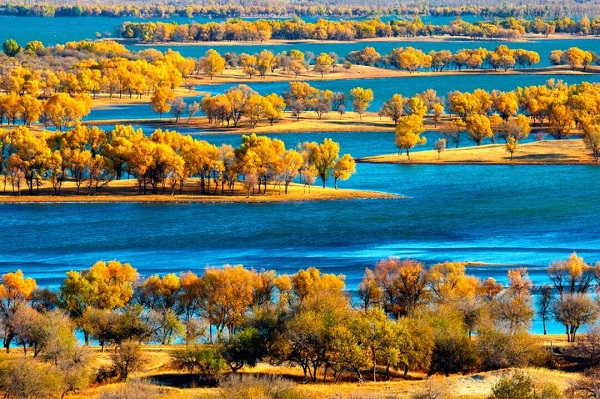
Colorful forests line the banks of the Songhua River as it winds through the province, its clear waters reflecting autumn's vibrant hues. River cruises offer visitors a closer look at the region's seasonal beauty, while the river's rich ecological and cultural heritage adds depth to Jilin's autumn charm.
[Photos provided to gojilin.gov.cn]
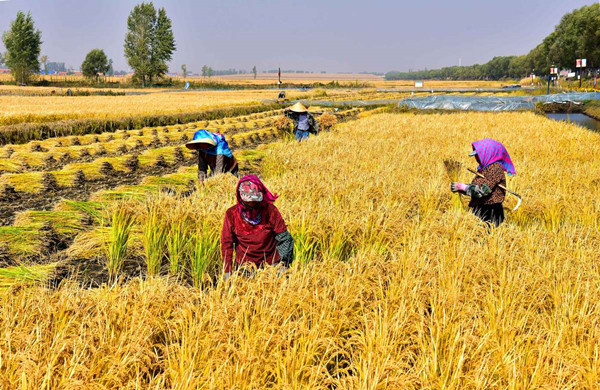
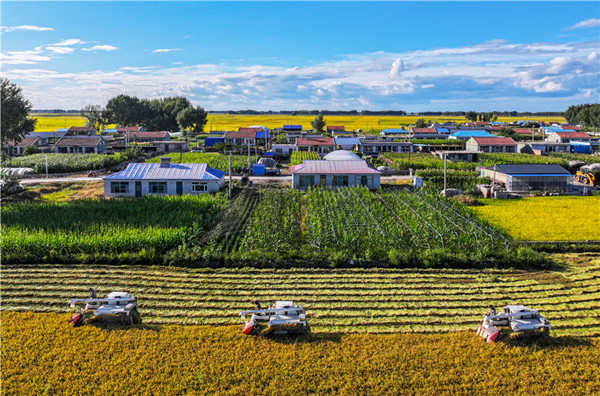
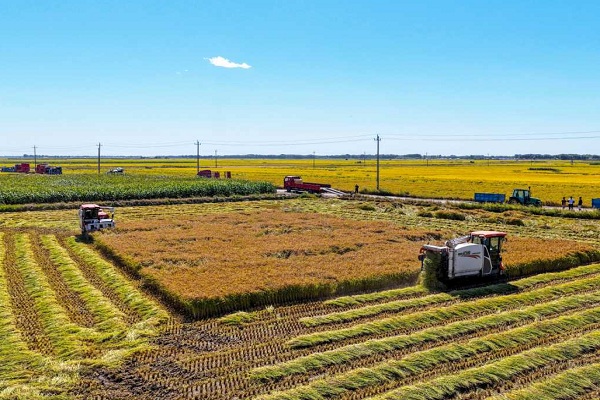
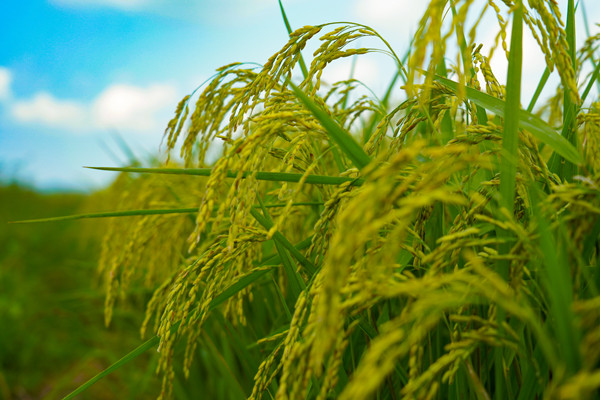
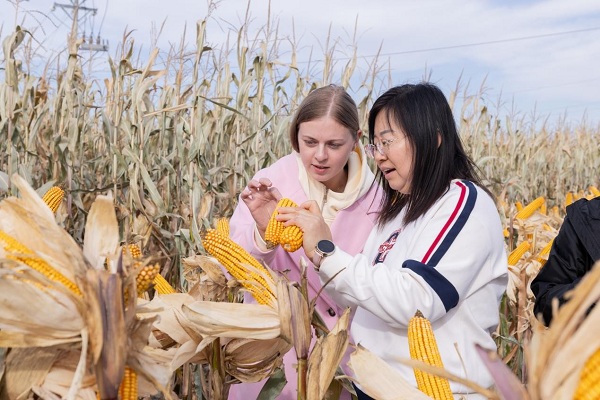
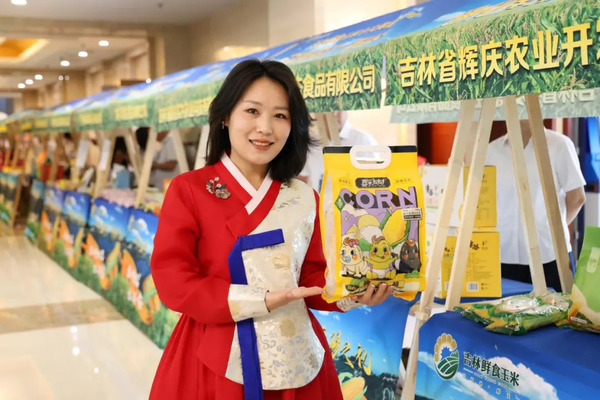
Jilin's fertile black soil, abundant sunshine, and quality water resources nurture premium Jilin rice, sweet and glutinous fresh corn, and a wide variety of soybeans and other grains.
In 2025, Jilin ranked fourth among China's provincial-level regions for total grain output, harvesting 43.58 million metric tons. Improved seeds, modern farming technology, and black soil conservation continue to strengthen its role as a major grain-producing province.
Grown in fertile black soil and nurtured by favorable natural conditions, Jilin rice is prized for its quality and flavor. Sales in 2025 reached 3.35 million metric tons, while the industry's total value exceeded 37 billion yuan ($5.18 billion).
[Photos provided to gojilin.gov.cn]
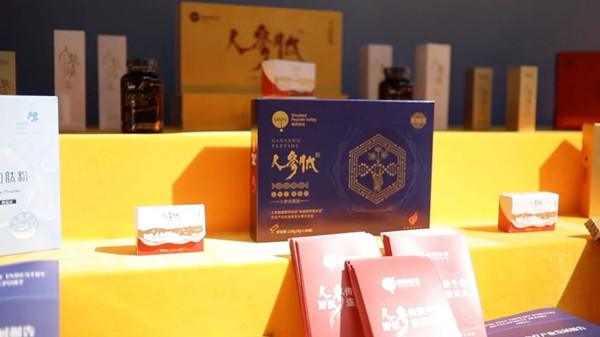
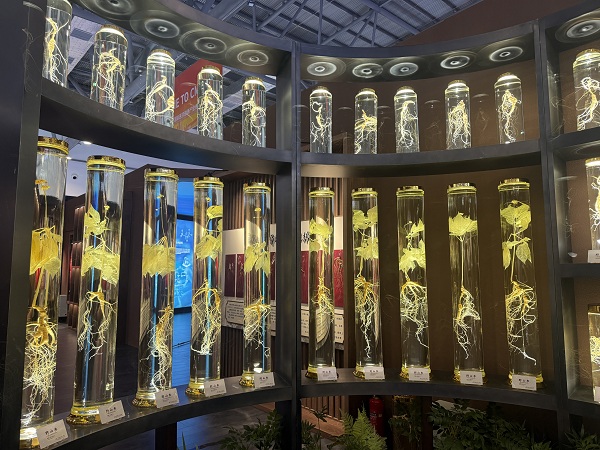
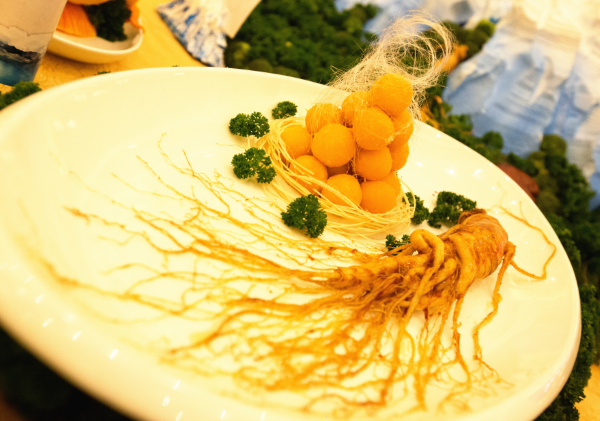
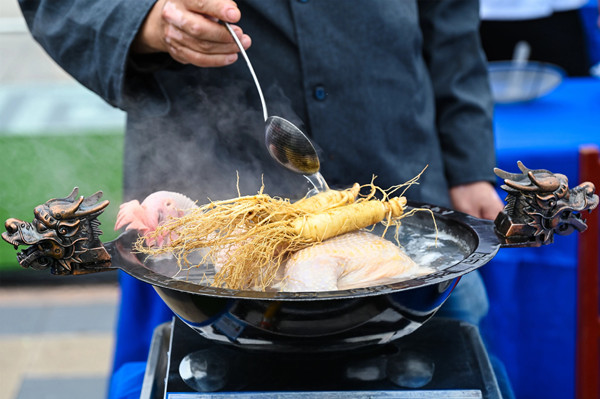
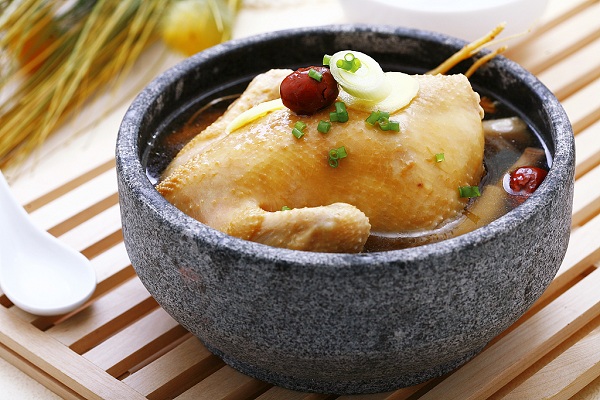
With a long cultivation history, Changbai Mountain ginseng is one of Jilin's signature products. The province is expanding its applications in food, medicine, cosmetics, and biotechnology through standardized cultivation, advanced processing, and brand development.
The province's forest resources and rich natural environment nurture distinctive specialties, including pine nuts and honey. Meihekou has grown into a major global hub for pine nut processing and distribution, with a well-established industrial chain serving markets worldwide.
In the Changbai Mountain region, linden honey is a signature local product, supported by abundant nectar sources and a long beekeeping tradition. Together, these specialties showcase Jilin's natural resources, local craftsmanship, and thriving forest-based industries.
[Photos provided to gojilin.gov.cn]
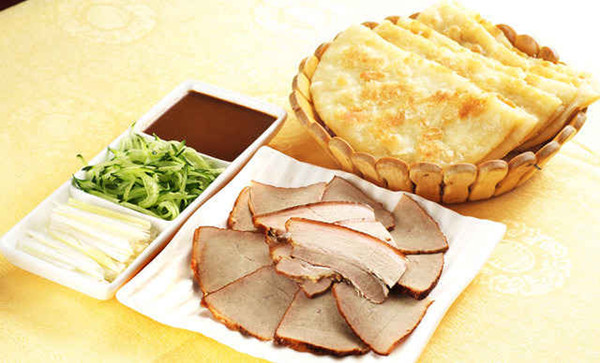
Guobaorou is a signature Jilin dish and a beloved classic of northeastern Chinese cooking. Made with thin slices of pork tenderloin coated in starch and fried until golden, the dish is known for its crisp exterior and tender, juicy meat. The freshly fried pork is tossed in a sweet-and-sour sauce, creating a refreshing balance of tangy and savory flavors. Its bright golden color, delicate crunch, and appetizing aroma make it a standout on the dining table.
Iron-pot corn cakes are a rustic specialty commonly served alongside hearty iron-pot stews from northeastern China. Made with cornmeal, the cakes are hand-shaped and pressed against the inner sides of a large iron pot while meat, vegetables, or other ingredients simmer in the center. As they cook, the bottoms develop a golden, crispy crust, while the softer upper portions absorb the stew's rich aromas. The contrast between the crunchy exterior and tender interior makes these simple corn cakes a comforting and satisfying addition to a traditional northeastern meal.
[Photos provided to gojilin.gov.cn]
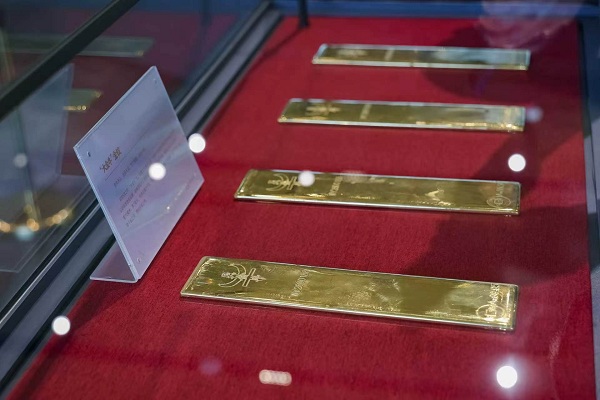
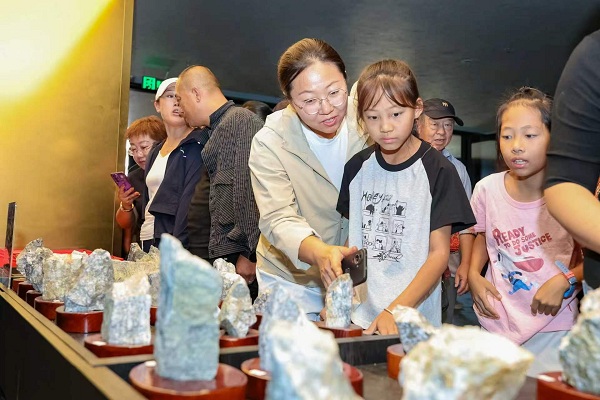

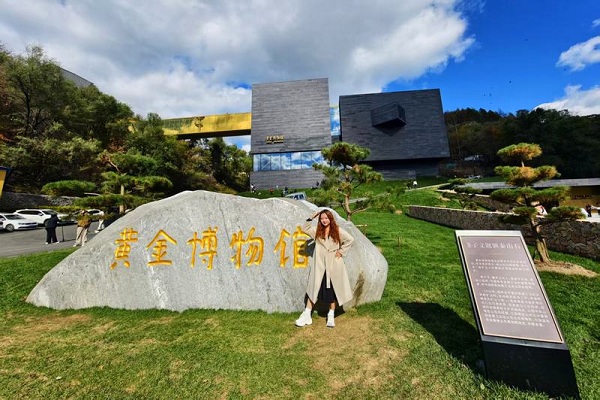
Jiapigou, in the mountains of Huadian, has a gold-mining history spanning more than two centuries. Large-scale mining began here in 1820, and generations of miners have shaped the area's industrial heritage through their perseverance, craftsmanship, and dedication.
Opened in September 2026, the Gold Museum brings this remarkable history to life. Through historical artifacts, archival photographs, mining tools, geological specimens, and recreated mining scenes, visitors can trace the evolution of gold exploration, extraction, smelting, and processing. The museum also explores gold's cultural significance and the stories of the people who helped build this industry.
[Photos provided to gojilin.gov.cn]